Vision needs strategy and expertise to become reality
Every great idea needs a clear path to success. My strategy services are designed to bridge the gap between your aspirations and actionable outcomes. With a combination of deep industry expertise and a future-focused mindset, I work with you to craft tailored strategies that empower your business to grow, adapt, and thrive.
Read about my PHILOSOPHY and my BACKGROUND
What I work on with my clients and collaborators
1
Strategic roadmapping
Define your goals and map out the path to success. Whether it’s launching a new product or transforming your operations, I provide clear, actionable plans rooted in your unique vision.
2
Research-driven insights
Leveraging my background as a researcher and strategist, I use my knowledge of industry trends, emerging technologies, and market behaviors to build strategies grounded in data and evidence.
3
Technology integration strategies
I guide you in adopting and integrating advanced technologies to build efficient operations and thus generate value.
4
Market insight & positioning
Understanding your market is key. I help you identify your unique strengths, stand out from competitors, and resonate with your audience.
5
Long-term growth planning
Trends come and go, but building for longevity is key. I help you focus on sustainable, scalable strategies that will help your business thrives for years to come.
Work


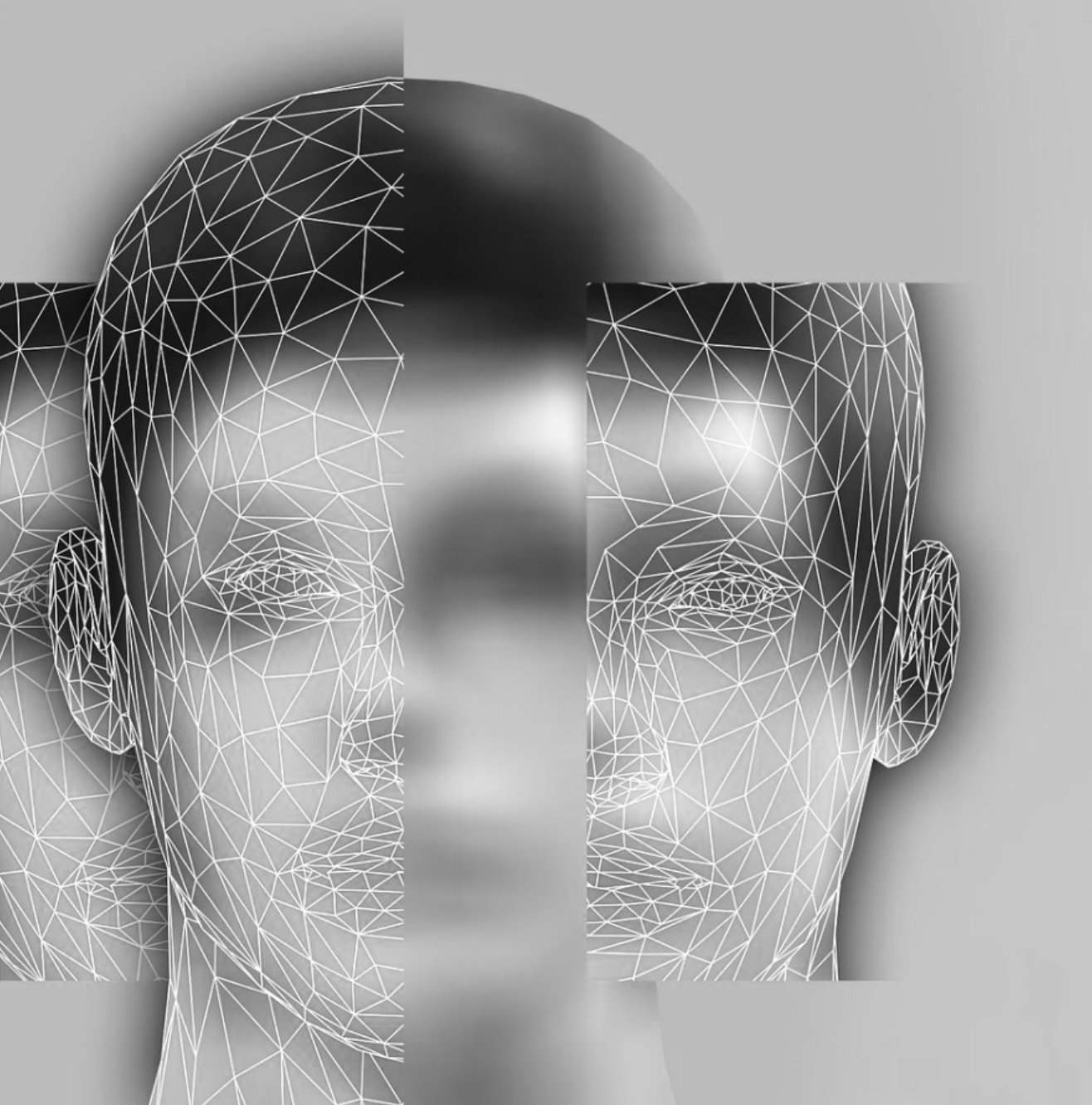
Outsourcing a daily digital presence to an AI proxy might save time, but the process erases genuine identity, memory, and relationships by replacing human friction with an automated consensus.

A perspective on technological victimhood and an analysis of modern habits. The text focuses on strict personal boundaries and the status of innovation as a human trait.
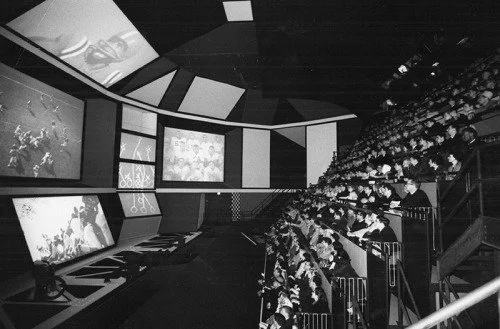
Is the tech industry trapped in a self-referential loop of constant spectacle? An exploration of the myth of disruption, the value of infrastructure maintenance, and how to build technology for the long horizon.

Agentic AI marks the transition from generative systems that produce language to autonomous agents that act in the world. This article explores the technical architecture, philosophical implications, and governance challenges that arise when machines begin executing human intent.

Essay reflecting on how continuity in business strategy persists beneath change, shaping direction, coherence, and decision-making long after visible forms have shifted.

A conceptual essay on recursive strategy in intelligent systems, exploring the strategist’s new role inside learning environments shaped by algorithms and real-time inference.

Exploring how Eastern approaches to tech challenge Western assumptions about innovation, speed, and meaning.

As AI surpasses humans in focused tasks, a new kind of intelligence becomes critical: contextual intelligence. This article explores the human capacity to frame meaning, define purpose, and shape systems in which AI operates.

Q-learning, by learning through trial, error, and interaction rather than instruction, acts as a digital mirror of human curiosity and adaptation.

Synthetic space reshapes identity and belonging, emphasizing shared values and participation over geographical boundaries. In the article we present a reevaluation of legal frameworks to foster inclusivity through universal synthetic citizenship.

Technical procedure of the VR-GS system for interactive 3D experiences combining Gaussian Splatting and real-time physics simulation.

About the overlooked impact of technology on human perception, society, and existence. Challenging technological somnambulism, urging a conscious engagement with the artificial worlds we create and inhabit.

Philosophical inquiry examining real experiences vs. artificial simulations. Significance of authentic engagement with life and the ongoing relevance of these ideas in the context of contemporary mass emergence of virtuality.

Processes of AI prototyping, exploring experimental, illusory, and comparative methods to refine the AI systems design.

About open source and open standards being the backbone for system interoperability, and its role in universal accessibility in virtual ecosystems.

The article explores the concept of techno-feudalism in comparison to traditional feudal systems, and highlights both the opportunities and challenges of tech platforms in current digital economy.

Inherited from humans, bias in artificial intelligence may cause unreliable system processing. What are the types and examples of bias, and some ways to navigate and minimize it?

The 2023 in XR has seen a remarkable innovation and market shifts. Despite challenges and fluctuations, the industry's resilience is evident. Read an in-depth analysis of key events and trends, and what they may point this upcoming year of 2024.

About synthetic space, engineering of sensory landscapes and visualization of informational reality in 3D XR.

Challenging the fears of AI replacing humans by emphasizing the need to focus on enhancing human-machine interactions. Promoting a human-centered approach for sustainable AI deployment and implementation of conjoint agency.

Influencing factors that play a role in building technical solutions in a rapidly evolving market — focus on hardware and user-generated content (UGC).

What are Total Addressable Market (TAM), Served Available Market (SAM), Serviceable Obtainable Market (SOM) in the context of XR and how to navigate it?

Intelligent agents represent the convergence of AI and VE, creating artificial life via autonomous entities. How can human-computer interaction transform individual sectors through them and create digital experiences?

Advances in 3D graphics and AI may enable intelligent virtual environments, but technologies still face challenges in integrating AI capabilities. Key tools and standards to increase their potential.

Immersive non-physical space may eventually present a high-dimensional route to tackle intractable complex problem solving.

Overview of technology that tricks our eyes and brain into perceiving a 3D scene just as vividly as the real world around us.

Stereoscopy as a key technique to mimic natural binocular disparity between our eyes to trigger stereopsis and create depth perception in XR.

About evolution of interface design according to human factors and the outlook for development of guidelines for 3D UI.

Overview of techniques of 3D UI construction design — achieving spatial awareness in virtual environments and adequate interaction with objects in VE.

First article of the 3D interface series discussing input and output (I/O) devices and their key role in constructing 3D UI for VE applications.